Cookie Preferences
By clicking, you agree to store cookies on your device to enhance navigation, analyze usage, and support marketing
Thank you! Your submission has been received!
Oops! Something went wrong while submitting the form.


May 20, 2025
What Happens When Employees Experience Shy Bladder During DOT Drug Testing?DOT’s shy bladder rule gives 3 hours to provide urine. If not, a medical eval is required—oral fluid testing can offer a simpler, stress-free option.

May 16, 2025
Understanding Observed Collections in DOT Drug TestingDOT observed collections prevent cheating in drug tests. Required for return-to-duty and follow-ups, they involve direct visual monitoring of sample.

May 16, 2025
Split Testing: A Built-in Safeguard for EmployeesDOT split sample tests offer fairness in drug testing, but rarely overturn results. Employees can request one within 72 hrs—even if they can’t pay.
May 15, 2025
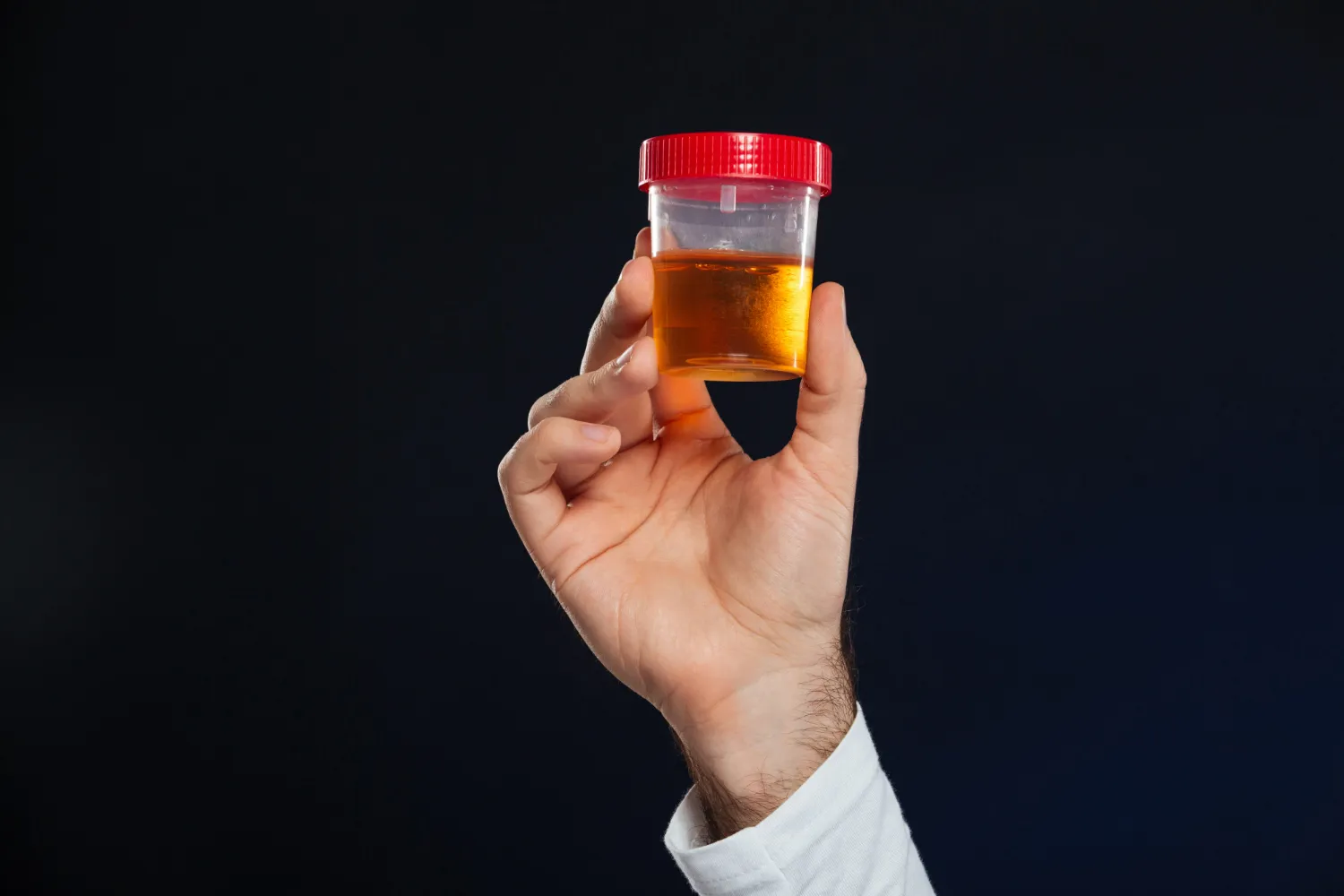
The Collection Process: What Happens When You Take a DOT Drug Test?From the moment an employee enters the testing site to the final sealing of the specimen, each step of the collection process is highly regulated by DOT. Here's how it works:

May 15, 2025
Understanding DOT Drug Testing & Custody and Control FormsDrug testing compliance may seem complicated, but staying informed and organized makes it much easier to navigate. If you’re in a DOT safety-sensitive role, make sure you understand how your tests are tracked, categorized, and recorded.
May 2, 2025
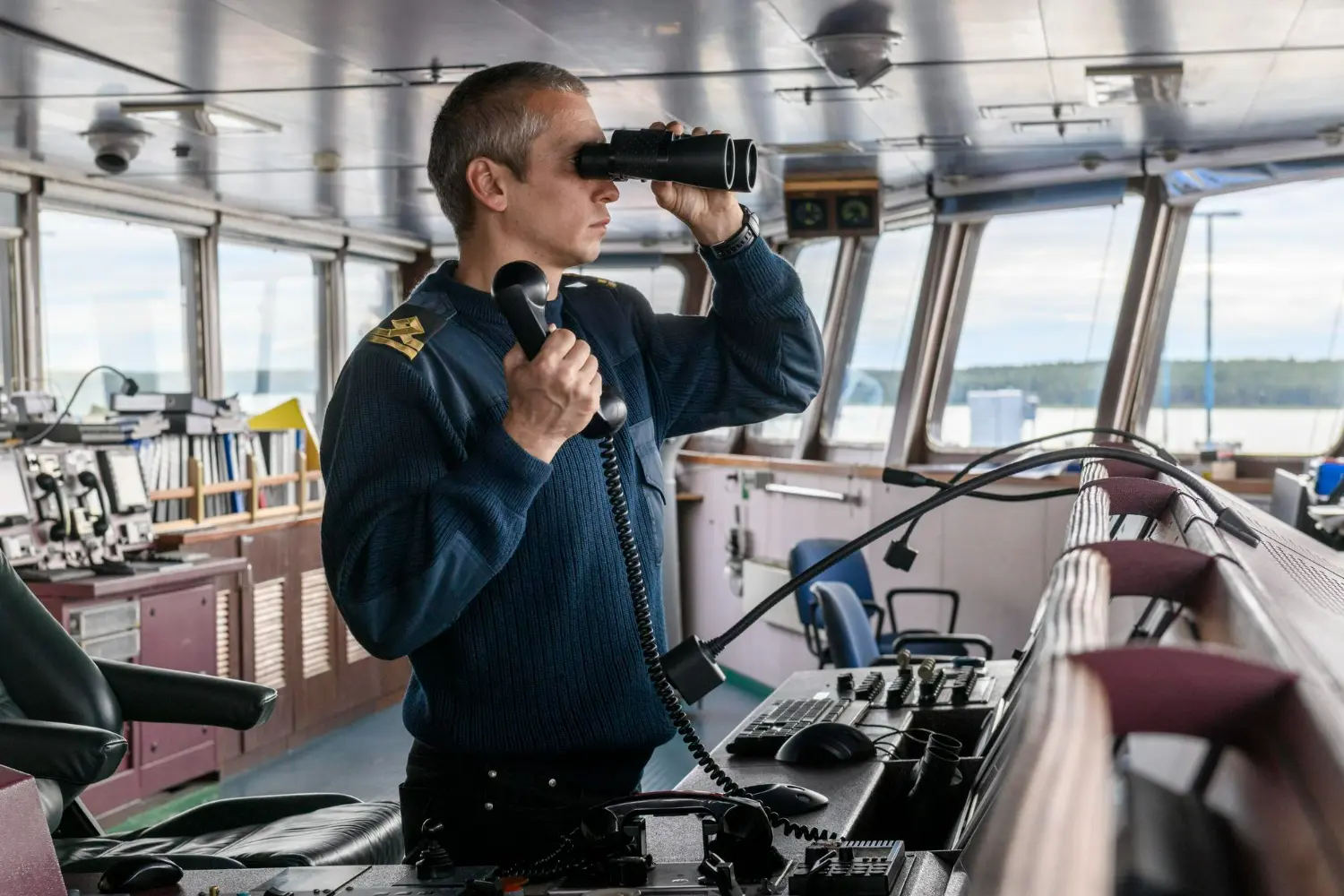
Coast Guard Drug Testing: Understanding the Role of the MRO in the Return-to-Duty ProcessUnder Coast Guard rules, only drug violations apply—alcohol isn't regulated. Employers must focus on drug testing and coordinate with MROs for return-to-duty compliance.


